
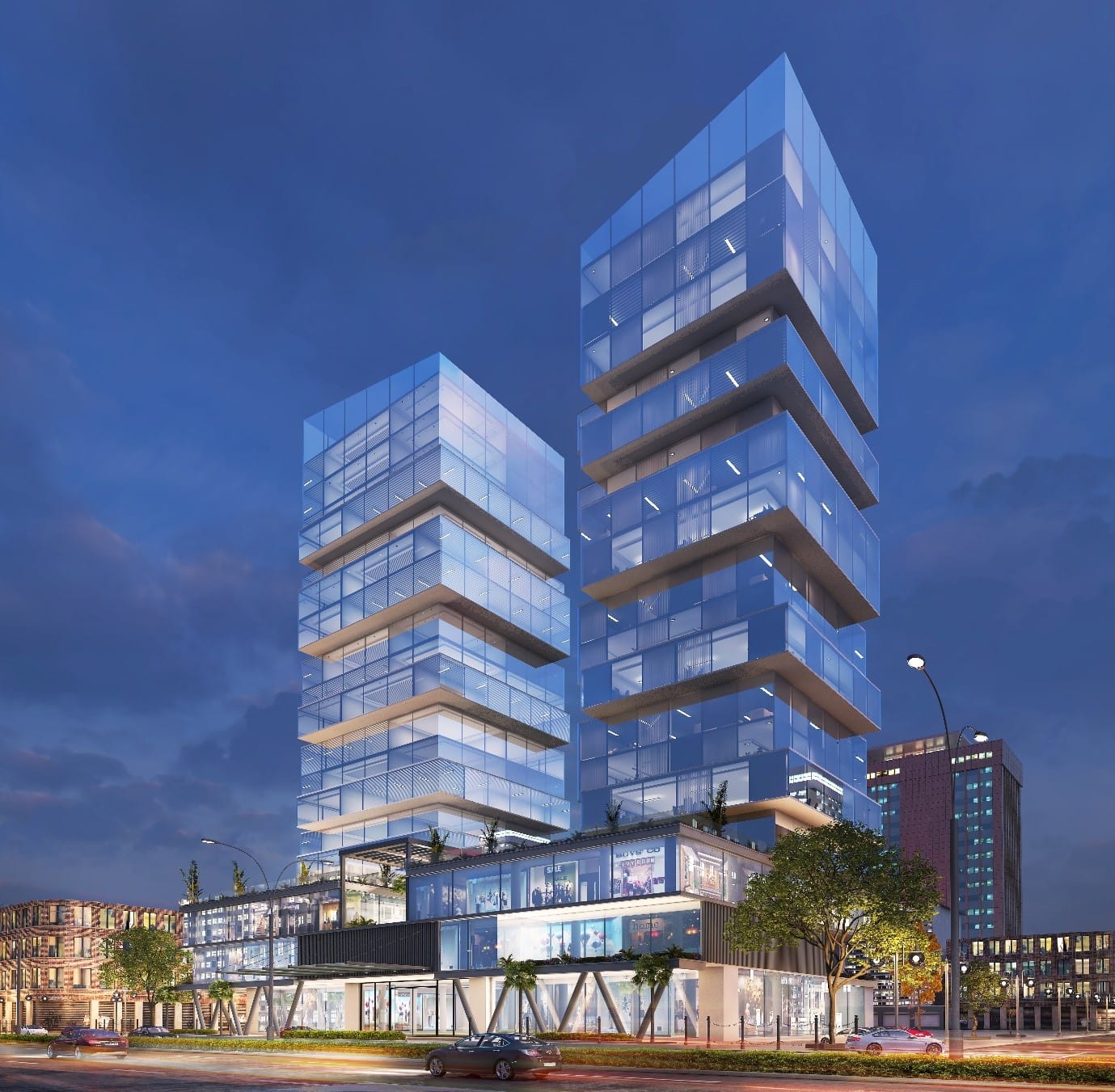
5 Types of Architects You Should Know
Most people picture one thing when they hear “architect.” Blueprints, probably a turtleneck. The reality is the profession is pretty fragmented these five types barely share a job description.
1. Residential Architects They design where people live. Houses, apartments, the occasional oversized villa for someone with money to burn and strong feelings about ceiling height. It’s personal work in a way most design jobs aren’t — you spend months inside a client’s vision of their ideal life, which can be genuinely satisfying or absolutely draining depending on who’s writing the checks. The good ones are equal parts designer and therapist.
2. Commercial Architects Offices, hotels, malls, restaurants. Less intimate than residential, but the constraints are interesting. A restaurant has to seat a specific number of people, keep the kitchen from becoming a bottleneck, land a particular atmosphere, and pass inspection. A mall’s entire job is making you lose track of time. That’s not decoration — that’s engineering a psychological effect. Add in a building owner with opinions and you’ve got a full career’s worth of problems.
3. Landscape Architects The most underrated type here, easily. These are the people responsible for the parks you actually want to sit in, the plazas that feel like public space rather than leftover concrete, the green stretches that make a city feel less suffocating. The technical side catches people off guard — soil composition, water runoff, how a specific tree behaves 25 years from now. Get it wrong and you have a park that floods every March.
4. Interior Architects Not the same as interior decorators. Interior architects find the confusion annoying, and fair enough — the distinction matters. Decorators handle finishes, furniture, the stuff you can swap out. Interior architects decide whether the wall comes down, where daylight enters the room, how people actually move through the space. Structural work. It tends to matter more.
5. Urban Designers Everything bigger than a building. Neighborhoods, transit lines, zoning, public space distribution. The work is slow and political and almost never credited to any individual, yet it does more to determine how people experience daily life than any of the other four categories combined. Bad urban design gets absorbed by a city’s residents as vague, sourceless frustration — why is the commute this bad, why does nobody walk, why does this neighborhood feel hostile. The answers are usually decisions made decades ago by people nobody remembers.
Recent Comments